



Achieving a lean, muscular physique requires a strategic approach that simultaneously targets fat loss and muscle gain—a process known as body recomposition. While challenging, with a well-structured plan, it's entirely feasible. This 8-week guide outlines the essential components of nutrition, training, and supplementation to help you effectively lose fat and build muscle.
Understanding Body Recomposition
Body recomposition involves decreasing body fat percentage while increasing lean muscle mass. Unlike traditional methods that focus solely on weight loss or muscle gain, recomposition aims for a balanced approach, leading to a more defined and toned physique.
Nutrition Strategies
Nutrition plays a pivotal role in body recomposition. To lose fat and gain muscle simultaneously, consider the following dietary guidelines:
-
Caloric Intake: Maintain a slight caloric deficit to promote fat loss without compromising muscle growth.
-
Macronutrient Balance: Prioritize protein intake to support muscle synthesis, while consuming moderate amounts of carbohydrates and healthy fats for energy and overall health.
-
Meal Timing: Distribute protein intake evenly throughout the day and consider consuming protein-rich meals or supplements post-workout to enhance muscle recovery.
Training Program
An effective training regimen is crucial for stimulating muscle growth and promoting fat loss. Over the next eight weeks, focus on:
-
Resistance Training: Engage in full-body workouts 3-4 times per week, incorporating compound movements like squats, deadlifts, bench presses, and rows to target multiple muscle groups.
-
Progressive Overload: Gradually increase the weight, repetitions, or sets over time to continually challenge your muscles and encourage growth.
-
Cardiovascular Exercise: Include moderate-intensity cardio sessions 2-3 times per week to enhance fat loss and improve cardiovascular health.
Supplementation
While whole foods should form the foundation of your nutrition, certain supplements can support your body recomposition goals:
-
Protein Powders: High-quality protein supplements can help meet daily protein requirements, especially post-workout.
-
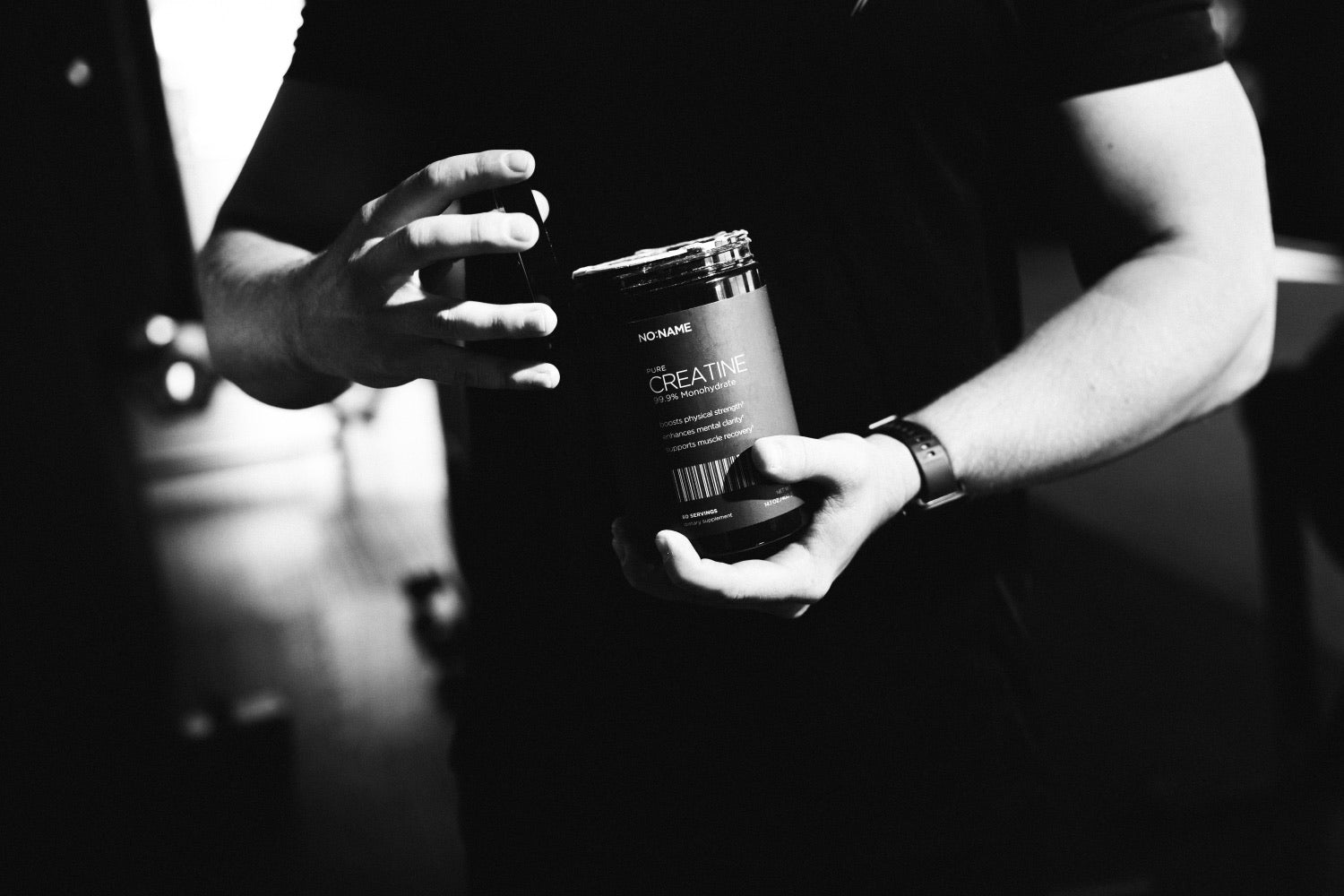
Creatine Monohydrate: Supplementing with creatine can enhance strength, increase muscle mass, and improve exercise performance.
-
Branched-Chain Amino Acids (BCAAs): BCAAs may aid in muscle recovery and reduce muscle soreness after intense workouts.
Monitoring Progress
Tracking your progress is essential to ensure you're on the right path:
-
Body Measurements: Regularly measure key areas such as waist, hips, chest, arms, and thighs to monitor changes in body composition.
-
Strength Levels: Keep a workout log to track improvements in strength and endurance over time.
-
Visual Assessment: Take progress photos every few weeks to visually document changes in your physique.


